
Static Electricity Safety
Static Electricity is serious hidden hazards in industry which should be identify and understand clearly and adopt the necessary preventive measures.
Ganpat Shinde
6/11/20262 min read
Introduction
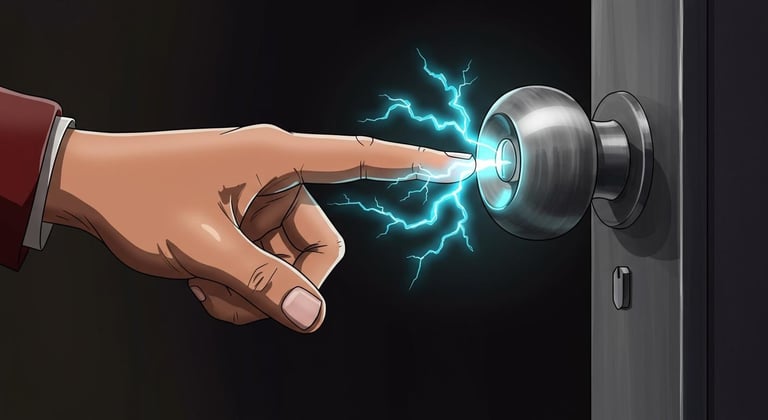
Static electricity is a common phenomenon that occurs when electrical charges accumulate on the surface of an object. While it may seem harmless—often experienced as a small shock after touching a metal object—it can become a serious safety hazard in workplaces where flammable gases, vapors, liquids, or dust are present. A tiny static spark can ignite these materials, leading to fires, explosions, injuries, and property damage.
What is Static Electricity?
Static electricity is the buildup of electric charges on the surface of materials due to friction, separation, or contact between different materials. The charge remains until it is discharged, often in the form of a spark.
Common examples:
Walking on a carpet and touching a doorknob
Removing synthetic clothing
Sliding on a vehicle seat
Pouring or transferring fuels and chemicals
Conveyor belts moving dry materials
How Static Electricity is Generated
Static charges are produced when two materials come into contact and then separate.
Common workplace sources include:
Flowing liquids through pipes and hoses
Transfer of petroleum products
Movement of powders and grains
Conveyor belts
Plastic packaging materials
Synthetic clothing and footwear
Rubber tires moving on roads
Dry air and low humidity conditions
Hazards of Static Electricity
Fire and Explosion
A static spark can ignite:
Flammable liquids
Fuel vapors
Solvents
Combustible dust
Gas-air mixtures
Personnel Injury
Minor electric shocks
Falls caused by sudden reactions
Startle effect leading to accidents
Equipment Damage
Static discharge can damage:
Electronic components
Control systems
Sensitive instruments
Computer equipment
Production Loss
Process interruptions
Equipment downtime
Product contamination
Costly repairs
Industries at High Risk
Static electricity hazards are particularly important in:
Oil and gas facilities
Chemical plants
Paint manufacturing
Pharmaceutical industries
Grain storage and flour mills
Textile industries
Plastic manufacturing
Fuel stations and tank farms
Electronics manufacturing
How to Prevent Static Electricity
1. Bonding and Grounding
Connect metal equipment together (bonding).
Connect equipment to earth (grounding).
Verify grounding connections regularly.
This is the most effective method to prevent static discharge.
2. Control Humidity
Maintain adequate humidity where practical.
Dry environments increase static buildup.
3. Use Anti-Static Equipment
Anti-static flooring
Conductive mats
Static-dissipative hoses
Anti-static containers
Ionizers for sensitive areas
4. Wear Appropriate PPE
Anti-static clothing
Conductive safety shoes
Avoid synthetic fabrics in hazardous areas
5. Safe Handling of Flammable Liquids
Bond and ground containers before transfer.
Fill containers slowly to reduce turbulence.
Avoid splash filling.
Use approved conductive hoses and equipment.
6. Proper Housekeeping
Remove combustible dust accumulations.
Keep work areas clean.
Dispose of waste materials safely.
7. Regular Inspection and Maintenance
Inspect:
Grounding cables
Bonding clamps
Hoses
Tanks
Electrical connections
Replace damaged equipment immediately.
Safety Tips for Employees
Always connect grounding cables before transferring fuel or chemicals.
Use approved anti-static PPE.
Report damaged grounding systems immediately.
Avoid unnecessary use of plastic containers for flammable liquids unless designed for the purpose.
Follow standard operating procedures during loading and unloading operations.
Do not ignore small static shocks—they may indicate inadequate grounding.
Keep ignition sources away from hazardous areas.
Do's and Don'ts
Do's
Ground and bond equipment
Wear anti-static PPE
Maintain clean work areas
Inspect grounding systems regularly
Follow safe operating procedures
Don'ts
Transfer flammable liquids without grounding
Wear highly static-generating synthetic clothing in hazardous areas
Allow combustible dust to accumulate
Use damaged cables or clamps
Ignore static sparks or shocks
Key Safety Message
A static spark may last only a fraction of a second, but it can trigger a devastating fire or explosion. Proper grounding, bonding, good housekeeping, and safe work practices can effectively control static electricity hazards and protect people, equipment, and facilities.
"Control Static Before It Creates a Spark—Ground, Bond, and Stay Safe!"