Noise Induced Hearing Loss (NIHL)
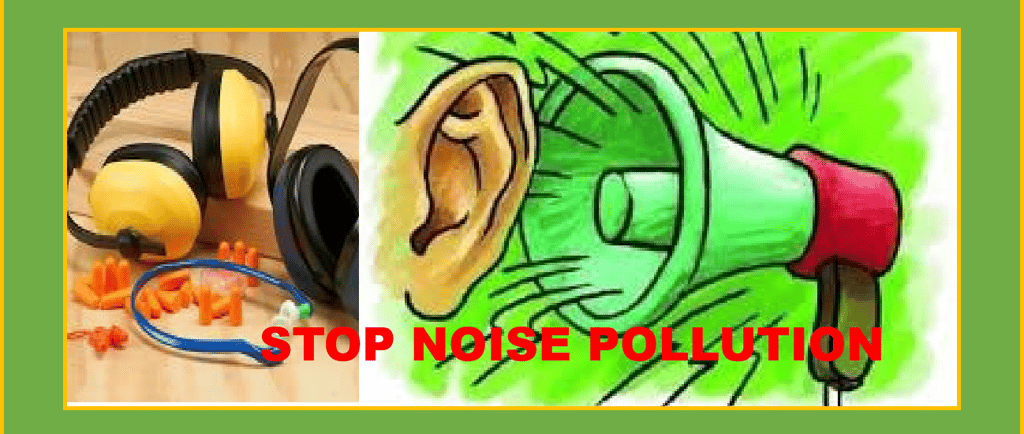
Noise is also called unwanted sound, which affects hearing capacity of persons if continuously worked in high noise operations. Appropriate hearing protection like earmuff and earplugs needs to be used by the workers who involved in noisy operations in industry in addition to engineering and administration control of noise
Ganpat Shinde
1/17/20262 min read
Introduction
Noise-Induced Hearing Loss (NIHL) is one of the most common yet preventable occupational health hazards. Continuous exposure to high noise levels—whether from machinery, tools, or transport—can permanently damage hearing. Unlike other injuries, hearing loss develops slowly and painlessly, making it a “silent danger” in many workplaces.
Legal Framework: The Factories Act, 1948
Under the Factories Act, 1948, and its subsequent rules, every employer is responsible for ensuring that workers are not exposed to harmful levels of noise.
Section 11 (Cleanliness and Health) and Section 13 (Ventilation and Temperature) imply maintaining a healthy working environment, including control of excessive noise.
As per the Factories (Amendment) Act, 1987, and Model Rules under Section 87, noise is recognized as a hazardous agent, requiring specific measures to limit exposure.
Schedule XXIV – Operations Involving High Noise Levels under Rule 114 of the Maharashtra Factories Rules, 1963, framed under the Factories Act, 1948:
Rule 114 – Schedule XXIV: Operations Involving High Noise Levels
1. Application: This Schedule applies to all operations in a factory where workers are exposed to high noise levels, which may cause hearing impairment or other health hazards.
2. Permissible Exposure Limits
The permissible noise exposure levels are prescribed as follows:
Note: No exposure in excess of 115 dB(A) is permitted.
3. Impulse or Impact Noise
For impulse or impact noise, exposure shall not exceed: 140 dB (peak) sound pressure level at any time.
Failure to comply with these provisions can lead to penalties and health compensation claims under the Act.
Common Sources of Hazardous Noise
Industrial machinery (compressors, drills, grinders)
Power tools and construction equipment like rock breaker
Textile, metal and mining operations
Loud motors, turbines, fans or engines
Noise levels above 90 dB can cause irreversible hearing loss if exposure continues over time.
Symptoms of NIHL
Difficulty hearing conversations, especially in noisy areas
Ringing or buzzing in the ears (tinnitus)
Needing to increase volume on devices
A feeling of pressure or “blocked” ears
Prevention: Protect Your Ears, Protect Your Future
Use Hearing Protection Devices (PPE):
Wear earmuffs, earplugs, or canal caps suitable for your work area.
Engineering Controls:
Install sound enclosures or barriers around noisy equipment.
Maintain machines regularly to minimize noise generation.
Administrative Controls:
Rotate workers to limit exposure time.
Schedule noisy operations during low-occupancy hours.
Audiometric Testing:
Conduct periodic hearing checks to detect early hearing changes.
Training & Awareness:
Educate employees about noise hazards and safe work practices.
Did You Know?
Continuous exposure to 100 dB for more than 15 minutes can cause hearing loss.
According to World Health Organization (WHO) in 2024, nearly 16% of adult hearing loss worldwide is due to occupational noise.
Conclusion
Hearing loss from noise exposure is 100% preventable but irreversible once it occurs.
By complying with the Factories Act, 1948, implementing noise control measures and promoting ear protection, industries can safeguard both worker health and legal compliance. “Protect your hearing today — for a sound tomorrow!”